Synopsis
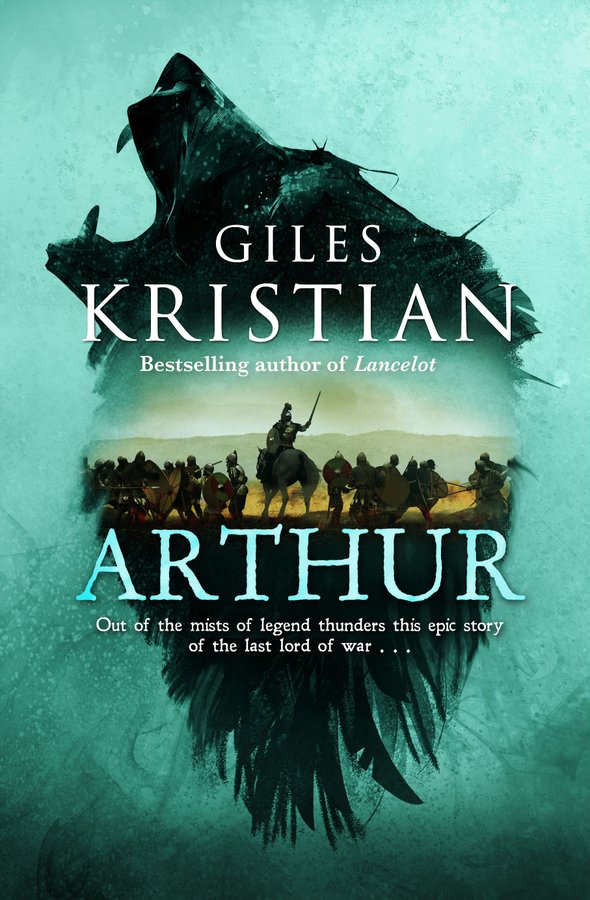
Years have passed since the clash of shield walls echoed across the land. The Saxons are now the lords of Britain. And yet the bards still sing of Arthur – ‘In our darkest time, when we need him most, shall he come again.’
Yet old Beran has no love of bards’ songs. Nor of people, unless they are paying him to steal or kill. He is a mercenary, in the employ of the cut-throat Nabor ap Nabor, and he has been ordered to murder a boy fleeing a burning city. No ordinary boy either. No, this boy is the son of King Constantine and the grandson of High King Ambrosius. And he could be the hope of Britain. . . if he lives.
Betraying his companions and returning to a world he thought he had left forever, Beran gives his word that he will take the boy to the one place that still holds out against the Camelot. Crossing a hostile land, they will meet the runaway lovers, Tristan and Isolde. They will seek the help of Guivret, called the Little King, and the Saracen, Palamedes, who once rode beneath Arthur’s banner.
Hunted by Saxons, Nabor ap Nabor, and Queen Morgana, this unlikely band must fight for their lives and for each other. For if there’s to be any hope for Britain, Beran must deliver the boy to Camelot. But to do that, he must also face his own past . . .
Review
“Arthur” by Giles Kristian is the third book in his Arthurian Tales trilogy, and it takes a dark and gritty approach to the classic legend. The novel follows two timelines: one featuring a grizzled old warrior named Beran in the present day, and the other following a young Arthur. These storylines converge satisfyingly by the novel’s end.
Beran, a hardened mercenary, finds himself tasked with an unexpected mission: protecting a young boy who may be the key to Britain’s future. The Saxons now rule the land, but whispers of Arthur’s return persist. Beran defies his companions and chooses to safeguard the boy, embarking on a perilous journey across Britain.
As Beran and the boy make their perilous journey across a war-torn Britain, they encounter a cast of characters both familiar and surprising. We meet Tristan and Isolde, their passionate love story tinged with the desperation of a conquered land. The enigmatic Saracen warrior Palamedes and the charismatic “Little King” Guivret also join the fray, their loyalty tested by the harsh realities of the present. These encounters breathe new life into these legendary figures, showcasing their complexities and vulnerabilities.
The other timeline delves into Arthur’s youth, showcasing his struggles with identity and the burden of a legendary lineage. These flashbacks offer a beautiful undercurrent of loss and longing for a bygone era. Seeing Arthur grapple with the weight of his future adds depth to the overall narrative.
The strength of “Arthur” lies in its willingness to deconstruct the Arthurian myth. The once glorious Camelot is now a fading memory, replaced by a desolate land where survival is a daily struggle. The novel’s use of foreshadowing pays off in a rewarding way for readers who pay close attention, though if like you’re like me and your attention wanders, you can sometimes find yourself having to reread parts of the novel, but it will definitely leave you pondering the cyclical nature of power, loss, and the legacy of legendary figures.
However, the storyline involving the present day could have been more fleshed out. A longer novel might have allowed for deeper character development and a more nuanced exploration of this timeline.
This book is a gripping and suspenseful read that offers a fresh perspective on the Arthurian legend. The novel’s dark and gritty atmosphere is sure to appeal to fans of historical fiction, while the dual timelines and well-placed foreshadowing keep the reader engaged. While some aspects, like the development of the present-day storyline, could have been further expanded upon, Arthur remains a satisfying conclusion to Kristian’s trilogy. It offers a brutal yet strangely beautiful reimagining of the Arthurian legend, leaving a lasting impression on the reader long after the final page is turned.
This is definitely a book for fans of historical fiction who enjoy a slightly darker take on classic myths. If you’re looking for a new take on Arthurian myth that’s not afraid to get dark, then “Arthur” is definitely worth checking out.
 The Ink Thief